Skip to content
Colorado roofs endure some of the harshest conditions in the country. Hailstorms, high winds, heavy snow, and constant temperature swings put steady stress on roofing systems year-round.
Yet most homeowners don’t think about their roof until a leak or visible damage appears. By then, the problem is often larger and more expensive than it needed to be.
At TSV Construction & Roofing, we follow an inspection-first approach. Inspections come before repairs, replacements, and before small issues turn into costly problems. This guide explains exactly when to schedule a roof inspection in Colorado and why timing matters.
Roof damage rarely starts with obvious signs. Most issues develop quietly beneath shingles, flashing, or roofing membranes.
A professional roof inspection helps homeowners:
In Colorado’s climate, roof inspections are not optional. They are part of responsible homeownership.
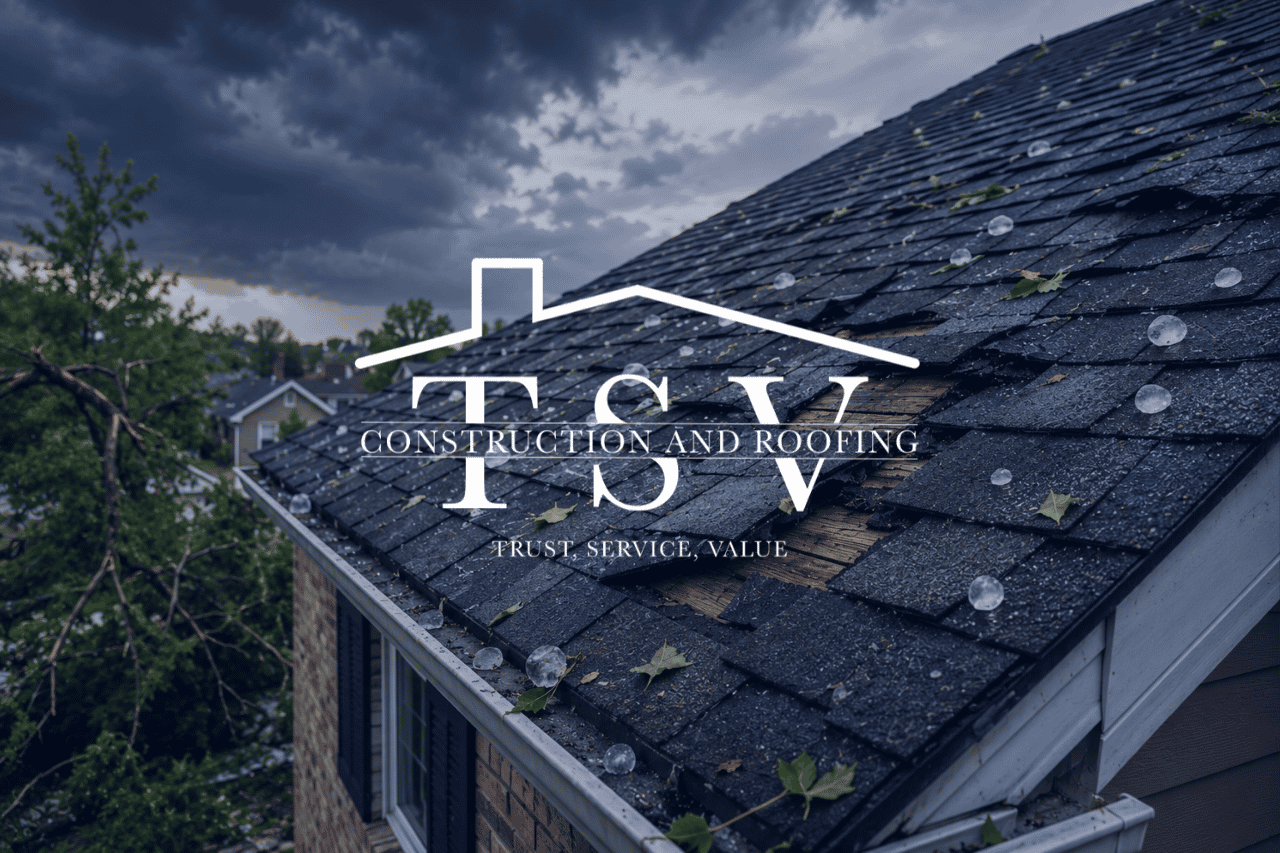
Hail and wind events are common across the Denver Metro area. Even when damage is not visible from the ground, storms can cause:
Scheduling an inspection shortly after a storm protects your roof and provides documentation if an insurance claim is needed.
Fall is one of the most important times for roof inspections in Colorado.
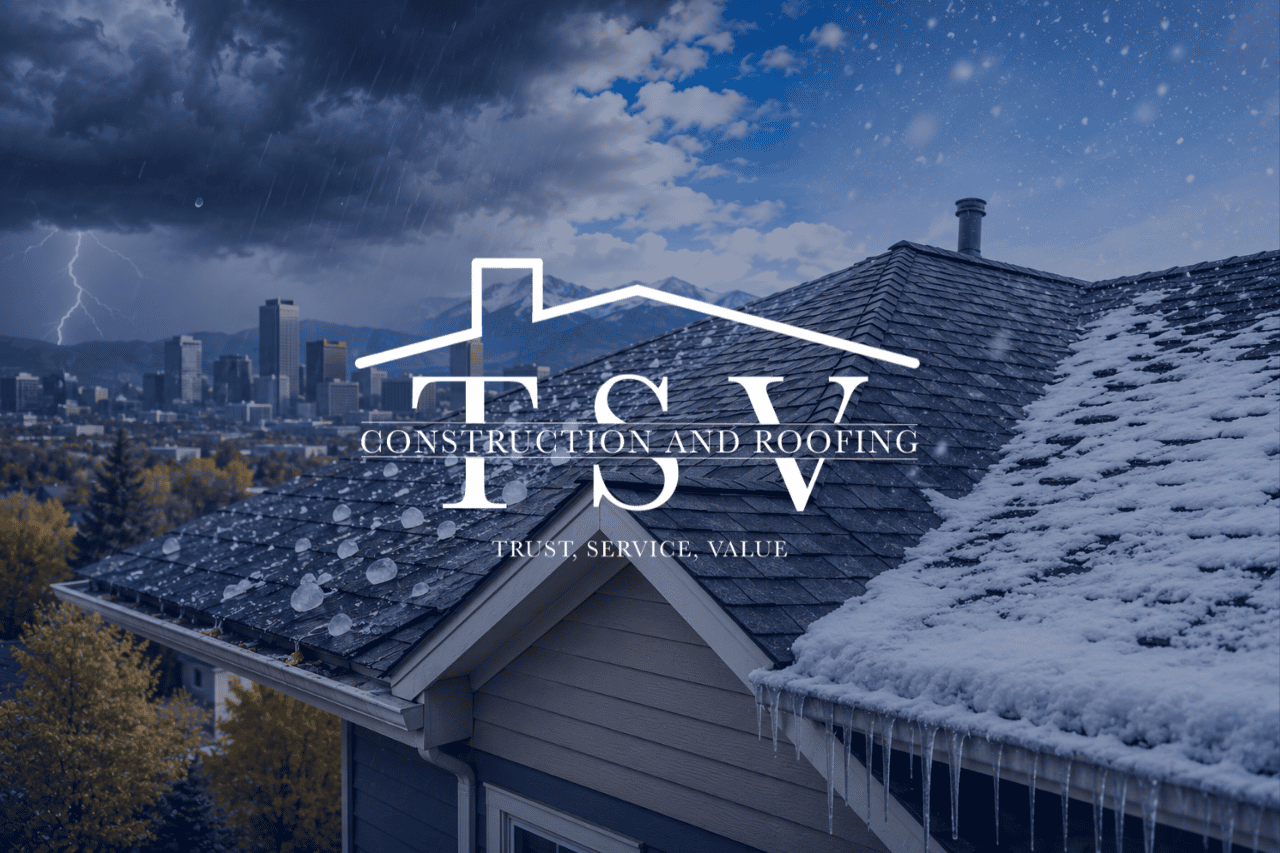
A pre-winter inspection helps prepare your roof for:
Small repairs made before winter can prevent leaks and structural damage during colder months.
Winter conditions often loosen materials and create weak points around vents, flashing, and roof edges.
A spring inspection helps identify:
Catching these issues early prevents them from worsening during spring storms.
Roof inspections play a critical role in real estate transactions.
For buyers, an inspection reveals hidden issues before closing.
For sellers, it provides clarity and prevents last-minute negotiations.
TSV provides clear inspection reporting so both parties can move forward with confidence.
Homes often show subtle signs when roof problems begin.
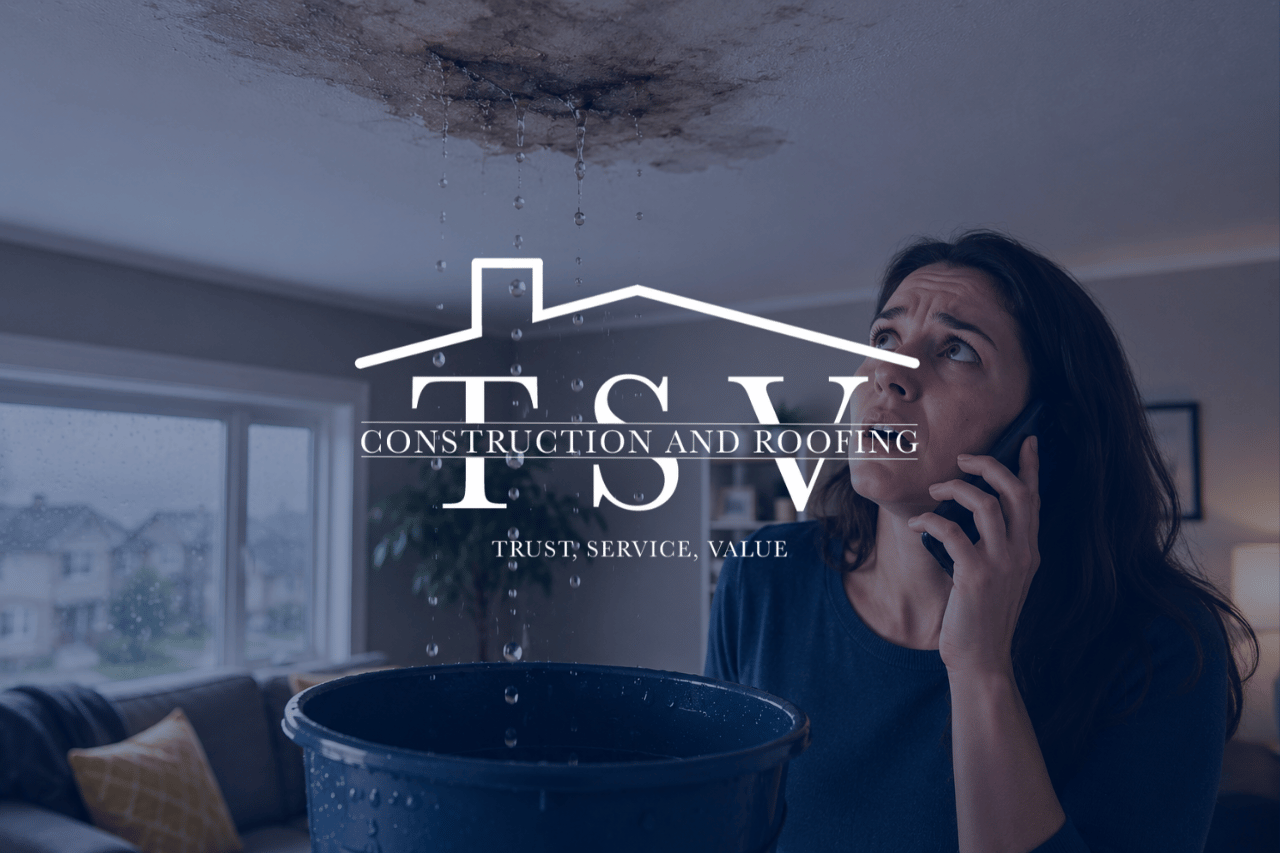
Interior warning signs include:
Exterior warning signs include:
Any of these signals should prompt a professional inspection.
Even without storms or visible damage, annual inspections are one of the best ways to protect your roof.
Yearly inspections help homeowners:
Scheduling inspections around the same time each year makes roof care simple and consistent.
A TSV roof inspection evaluates both visible surfaces and areas where damage often hides.
Exterior inspection includes:
Interior inspection when applicable:
After the inspection, you receive clear findings and recommendations without pressure or guesswork.
Our goal is not to push roof replacements.
Our goal is to help homeowners manage their roof as a long-term asset through:
This approach helps roofs last longer and reduces unnecessary costs.
Roof problems rarely improve on their own. They usually become more expensive over time.
Whether you recently experienced a storm, are preparing for winter, or simply want peace of mind, a professional roof inspection is one of the smartest decisions you can make.
Schedule your roof inspection with TSV Construction & Roofing today and take the first step toward long-term roof protection and confidence.
TSV Construction and Roofing is proud to serve homeowners and businesses across Colorado’s Front Range.
Signup our newsletter to get update information, news, insight or promotions.
© 2025 Copyright All rights reserved by TSV Construction & Roofing.
TRUST, SERVICE, VALUE
 Optimized by Seraphinite Accelerator