Why Roof Leaks Should Never Be Ignored
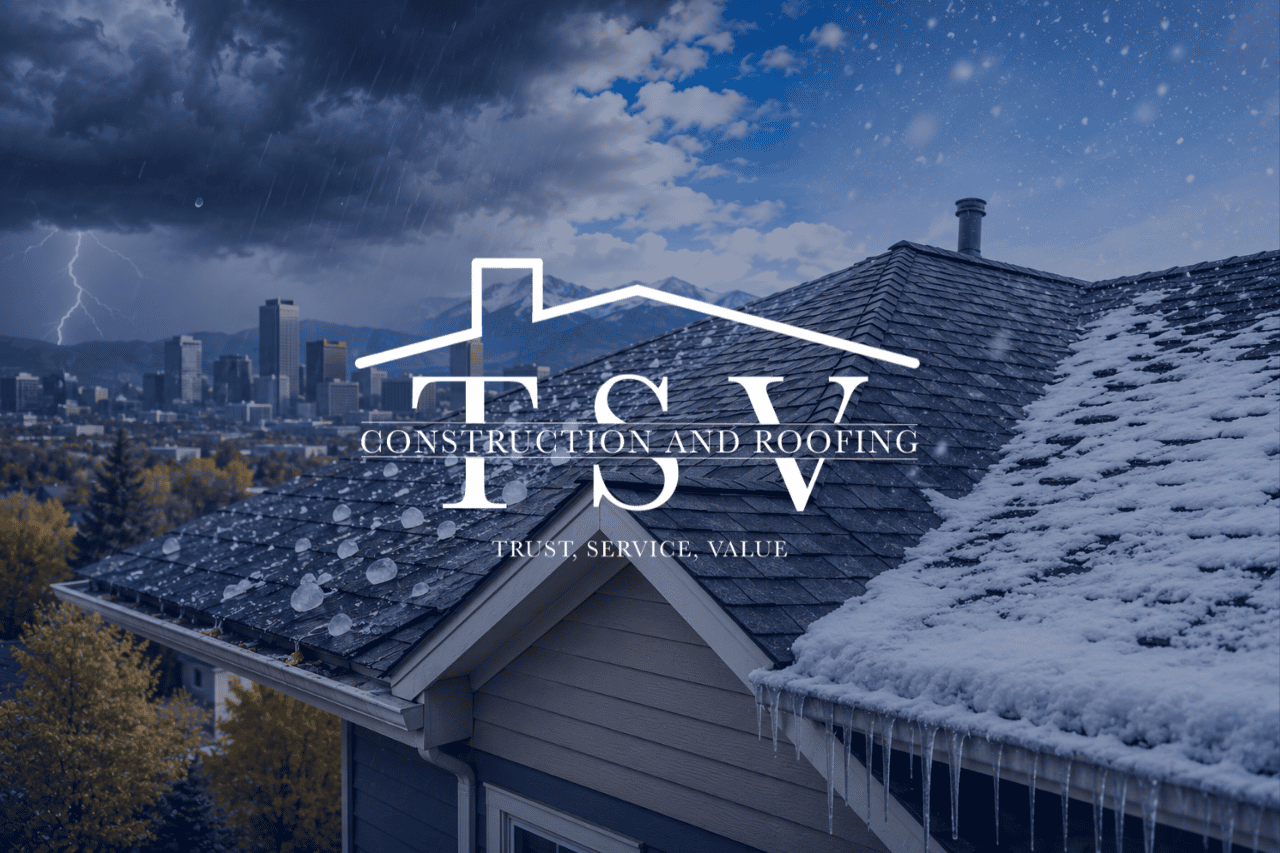
A leaking roof rarely fixes itself. In Colorado, hail, wind, snow, and rapid temperature changes can weaken roofing systems over time.
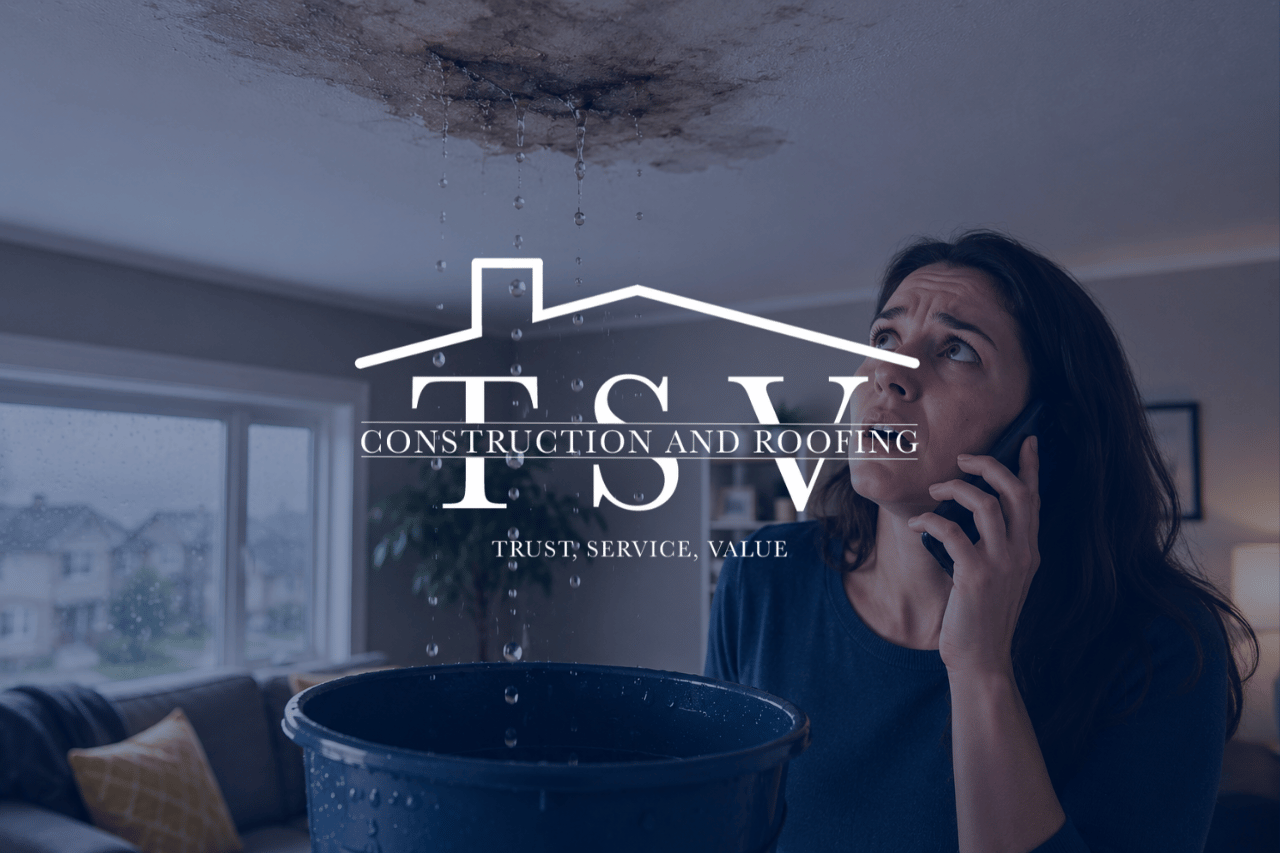
If left untreated, leaks can cause:
- Ceiling stains
- Damaged insulation
- Structural wood rot
- Mold growth
- Increased energy costs
Catching the problem early can turn a major roof replacement Denver project into a simple roof repair.
How to Find a Leak in Your Roof
Roof leaks are not always obvious. Sometimes water travels before it becomes visible.
Here’s how to safely check for signs of trouble.
1. Inspect After Storms
Hail and high winds are common in Denver, Lone Tree, and surrounding Colorado communities.
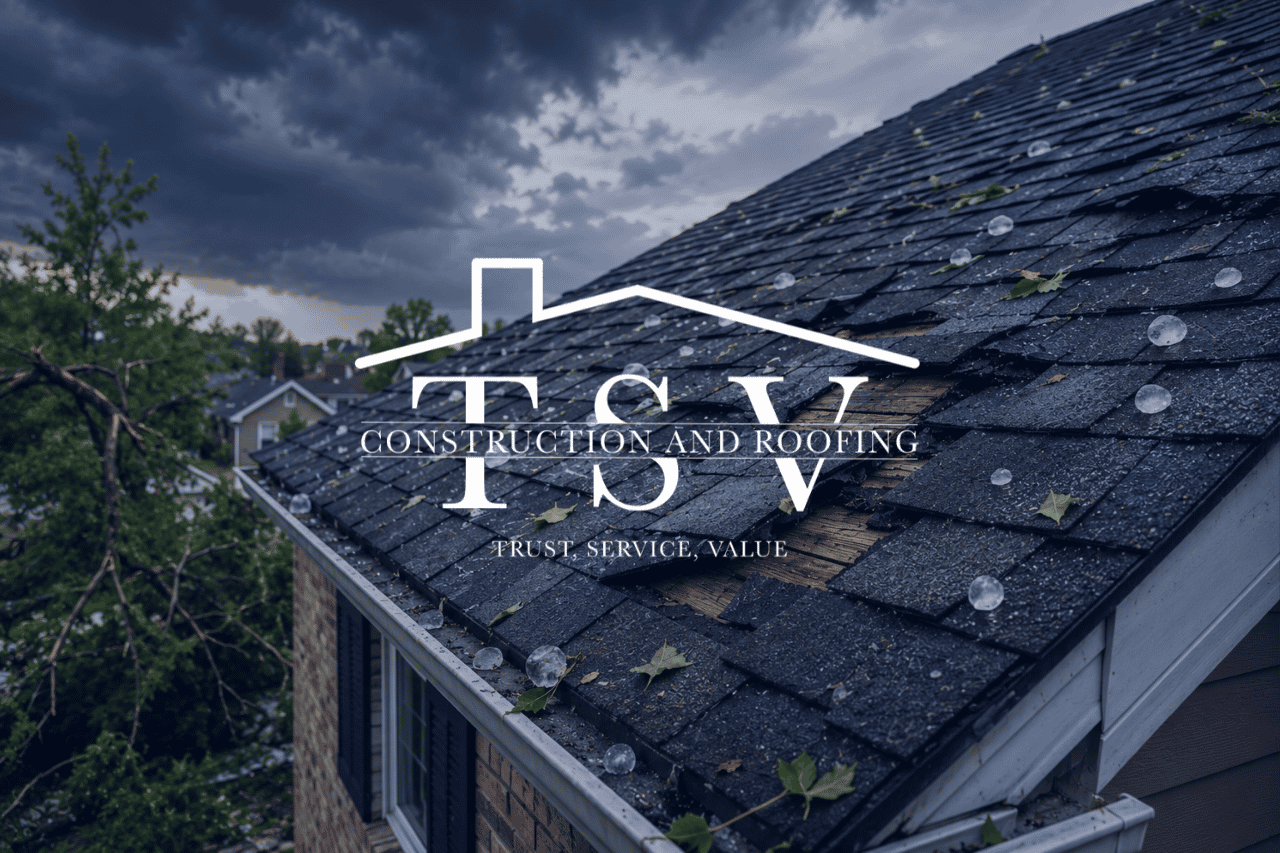
After severe weather, look for:
- Missing or lifted shingles
- Debris on the roof
- Damaged flashing
- Dented gutters or vents
Storm damage often requires hail damage roof repair Denver specialists provide after inspections.
2. Start in the Attic
The attic is usually the first place leaks appear.
Bring a flashlight and look for:
- Water stains
- Damp insulation
- Mold growth
- Light coming through roof boards
If you see moisture or discoloration, schedule a professional roof inspection Denver homeowners trust for accurate assessment.
3. Check Ceilings and Walls
Water stains on ceilings or upper walls are common leak indicators.
Other warning signs include:
- Peeling paint
- Bubbling drywall
- Musty smells
These symptoms often signal hidden water damage inside the roofing system.
4. Inspect the Roof Surface (From the Ground)
Never climb onto a wet or storm-damaged roof.
From the ground, look for:
- Cracked or curled shingles
- Sagging areas
- Flashing separation around chimneys and vents
- Clogged gutters
If damage appears severe, emergency roof repair Denver services may be needed to prevent further water intrusion.
When to Call a Roofing Contractor
Finding the leak is only the first step.
A professional roofing contractor can:
- Identify the exact source of water intrusion
- Check for hidden structural damage
- Document storm damage for insurance roof repair Denver claims
- Determine if repair or replacement is necessary
At TSV Construction & Roofing, we inspect the full roofing system, including flashing, underlayment, and ventilation components.
We also provide commercial roof repair Denver services for business owners dealing with leaks in flat or low-slope systems.
Repair or Replace?
Not every leak requires full roof replacement.
Minor damage may be resolved with targeted repairs. However, widespread storm damage, aging materials, or structural issues may require roof installations or full replacement.
A professional inspection ensures you make the right decision.
Why Choose TSV Construction & Roofing?
Serving Denver, Lone Tree, Parker, Centennial, Englewood, and Thornton, we provide:
- Professional roof inspection Denver services
- Residential and commercial roofing Denver solutions
- Insurance claim support
- Emergency response when needed
- Durable roofing projects built for Colorado weather
Our goal is simple: protect your home and give you peace of mind.
Schedule Your Roof Leak Inspection Today
If you suspect a leak, do not wait.
A small issue today can become major water damage tomorrow.
Schedule your professional roof inspection with TSV Construction & Roofing today and protect your home before the next storm hits.

 Skip to content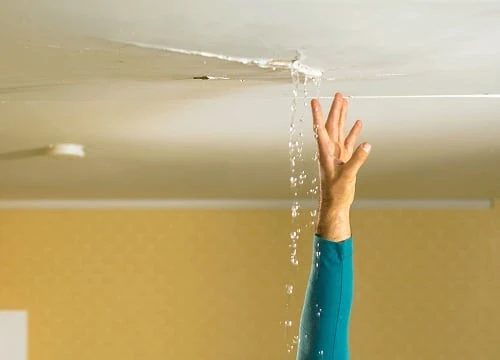
 Optimized by Seraphinite Accelerator